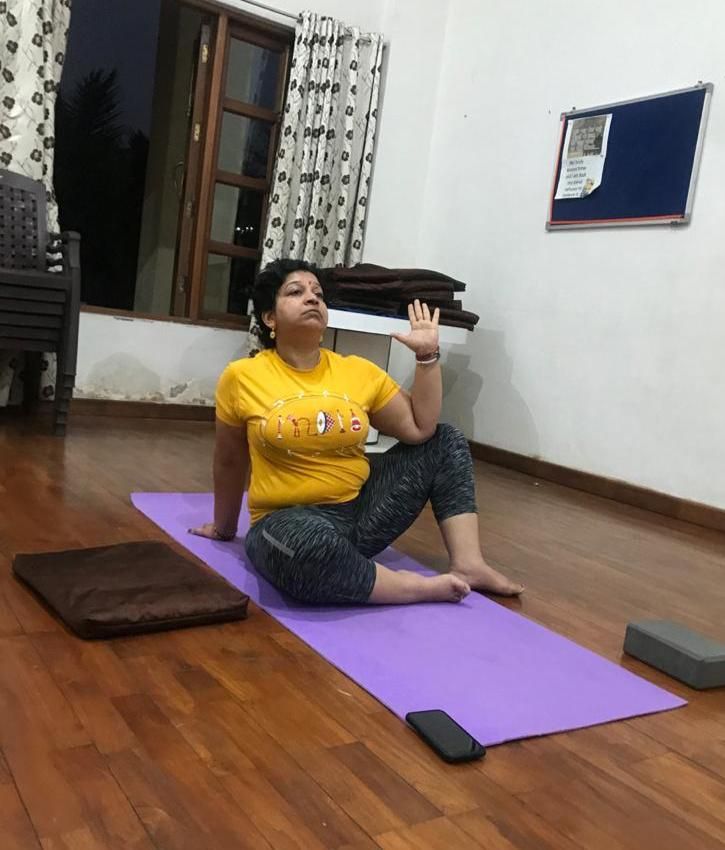
Pregnancy is an important stage in each woman’s life as the whole body is prepared for giving birth to a new life that needs to live safely in its moms womb and the would be mum also needs that strength and care so she could support the new life as well as her body needs.. in this whole journey yoga plays a vital role as via combination of different asanas, pranayama, mudras and meditation techniques, we not only empower the woman physically but also mentally.
Our aim is during the journey of pregnancy the lady is able to adapt to new changes both physically and emotionally in all the three trimesters prenatal yoga is a multifaceted approach to exercise that encourages stretching, mental centering and focused breathing. Research suggests that prenatal yoga is safe and can have many benefits for pregnant women and their babies.
Prenatal yoga can:
- Improve sleep
- Reduce stress and anxiety
- Increase the strength, flexibility and endurance of muscles needed for childbirth
- Decrease lower back pain, nausea, headaches and shortness of breath
Class outline
- Breathing
You'll be encouraged to focus on breathing in and out slowly and deeply through the nose. Prenatal yoga breathing techniques might help you reduce or manage shortness of breath during pregnancy and work through contractions during labor. - Gentle stretching
You'll be encouraged to gently move different areas of your body, such as your neck and arms, through their full range of motion. - Postures
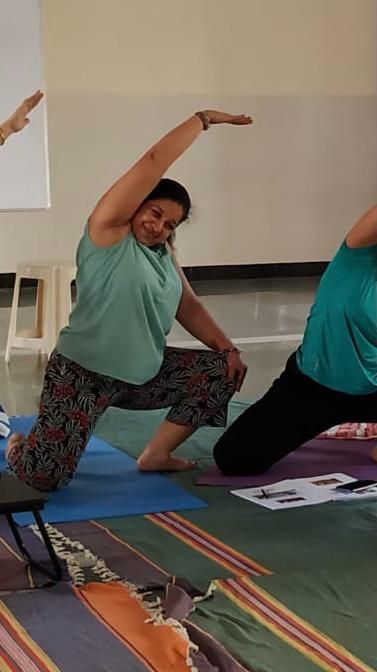
While standing, sitting or lying on the ground, you'll gently move your body into different positions aimed at developing your strength, flexibility and balance. Props — such as cushions , blocks might be used to provide support and comfort. - Cool down and relaxation
At the end of each prenatal yoga class, you'll relax your muscles and restore your resting heart rate and breathing rhythm. You might be encouraged to listen to your own breathing, pay close attention to sensations, thoughts and emotions, or repeat a mantra or word to bring about a state of self-awareness and inner calm.
Special safety guidelines for prenatal yoga To protect your health and your baby's health during prenatal yoga, follow basic safety guidelines.
- Ok to your health care provider
Before you begin a prenatal yoga program, make sure you have your health care provider's OK. You might not be able to do prenatal yoga if you are at increased risk of preterm labor or have certain medical conditions, such as heart disease or back problems. - Realistic goals
For most pregnant women, at least 30 minutes of moderate physical activity is recommended on at least five, if not all, days of the week. However, even shorter or less frequent workouts can still help you stay in shape and prepare for labor. - Pace yourself
If you can't speak normally while you're doing prenatal yoga, you're probably pushing yourself too hard. - Stay cool and hydrated
Practice prenatal yoga in a well-ventilated room to avoid overheating. Drink plenty of fluids to keep yourself hydrated. - Avoid certain postures
When doing poses, bend from your hips — not your back — to maintain normal spine curvature. Avoid lying on your belly or back, doing deep forward or backward bends, or doing twisting poses that put pressure on your abdomen. You can modify twisting poses so that you only move your upper back, shoulders and rib cage. As your pregnancy progresses, use props during postures to accommodate changes in your center of gravity. If you wonder whether a pose is safe, ask your instructor for guidance. - Don't overdo it
Pay attention to your body and how you feel. Start slow and avoid positions that are beyond your level of experience or comfort. Stretch only as far as you would have before pregnancy.
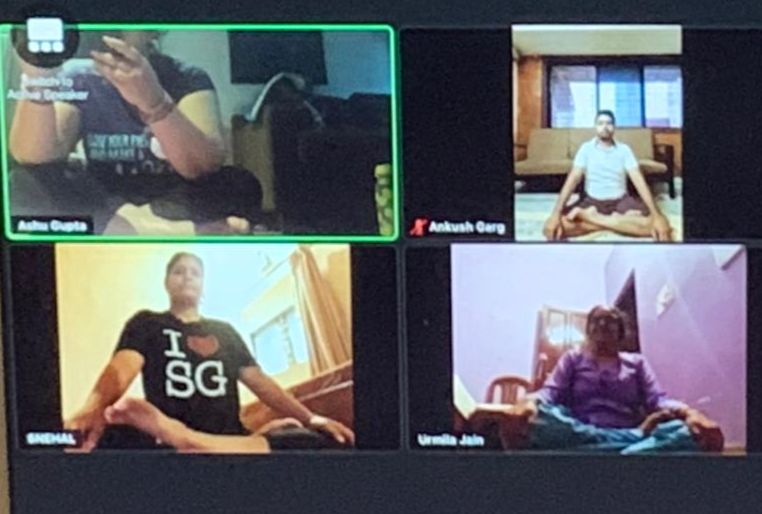
Classes online