The life of new mothers is challenging.Thirty-six weeks of carrying the fetus followed by the strain of delivering the baby take a toll on physical as well as mental health. At this juncture, postnatal yoga will help you both physically and mentally
By using techniques like gentle movement, balancing asanas, breathing, and relaxation, postnatal yoga aids in the healing and recovery of the body and mind after giving birth. Regaining physical fitness and learning to manage mood swings associated with hormonal shifts can both benefit from moderate, focused exercise.
What Exactly Is Postpartum Yoga?
When practised regularly, this style of yoga has been shown to aid in physical rehabilitation. The best results from postpartum yoga can be seen within the first three months after giving birth.
Reasons to Try Postnatal Yoga After Giving Birth
Yoga aims to achieve a state of harmony between one's inner and outer selves on all levels. Yoga and other forms of exercise after giving birth benefit new mothers in many ways. We all know that postpartum depression is common after giving birth. Studies have shown that yoga can help alleviate its symptoms. Initial symptoms of postpartum depression may be subtle. Symptoms may appear a few weeks after giving birth or as late as a year. One of the many benefits of practicing yoga after giving birth is the stress relief it provides.
Advantages of Postnatal Yoga
Postnatal yoga comprises low-intensity stretches targeting tightened areas as a result of caring for a newborn and breathing exercises to help connect you to your breath. Gentle core exercises and pelvic floor engagement activities are standard components of postpartum or postnatal yoga. Essentially, these movement practices are designed specifically for a postpartum birthing person. A modern mother can benefit in incredible ways from this practice as it is an excellent way to regain your active self following childbirth.
Pelvic Floor Strengthening
A strong pelvic floor allows for pain-free movement, a fulfilling sexual life, and the ability to maintain continence by supporting the bladder, bowel, and uterus. Breathing exercises incorporating Kegels and an emphasis on lifting while performing various yoga poses help strengthen the pelvic floor by toning the muscles and improving blood circulation.
Regaining Pre-pregnancy Abdominal Strength
Postnatal yoga is excellent for regaining strength in the abdominal muscles. This is especially helpful if you have had a C-section, which can leave your abdominal muscles feeling weak and stretched out. It infact benefits anyone who has given birth after prolonged inactivity. Through a practice that emphasizes deep engagement, yoga for postpartum can help you regain strength in these muscles.
Stretching of Various Muscles
Those tight muscles in your shoulders, chest, and back from constantly nursing and carrying your baby around can benefit significantly from postnatal yoga. You can relieve the stress and tension in these areas by practicing postnatal yoga postures. Breastfeeding will be less of a struggle, and gentle movements will aid the body's recovery from pregnancy and birth.
Fostering a Bond Between Mother and Child
Having a child completely alters your life and can be challenging to adjust to. Postnatal yoga encourages bonding between mother and child. It helps new mothers conserve the tremendous energy required to care for a newborn through breathing exercises, meditation, and physical postures. You'll feel more at ease while caring for your child and benefit from the yoga positions.
Letting Go of Stress and Anxiety
Anxiety and depression after birth are common, and yoga has been shown to alleviate these symptoms. Reducing stress on the nervous system and providing a nurturing environment for new mothers to focus on relaxing and letting go of stress are two ways postnatal yoga can help with this problem.
Helping Your Body Recover
Caring for a newborn can be physically demanding, especially for new mothers who spend long periods lifting, carrying, and feeding their infant. Postnatal yoga will help you recover and strengthen the weakened muscles. Stronger core muscles will lessen the strain on your back from carrying a baby and caring for a newborn. Regular yoga practice after childbirth can aid in the reunification of these muscles.
Increasing Spinal Strength and Mobility
During pregnancy, the spine bends and stretches to make room for the baby's growth inside the uterus. Practicing yoga after birth can aid spinal realignment, strengthening the spine's joints and muscles. The deep breathing exercises and empowering yoga postures practiced after giving birth can help you feel more in control of your emotions and body.
Breathing Exercises to Boost Energy
Your focus might now be entirely on your newborn's needs. You might be constantly exhausted and find it hard to fall asleep due to the long hours you are awake. Postnatal yoga breathing exercises can help you feel revitalized and energized by bringing your attention back to your breathing pattern. Try some deep breathing exercises to maintain composure and ease tension all over the body.
Yoga Poses for Postpartum Moms
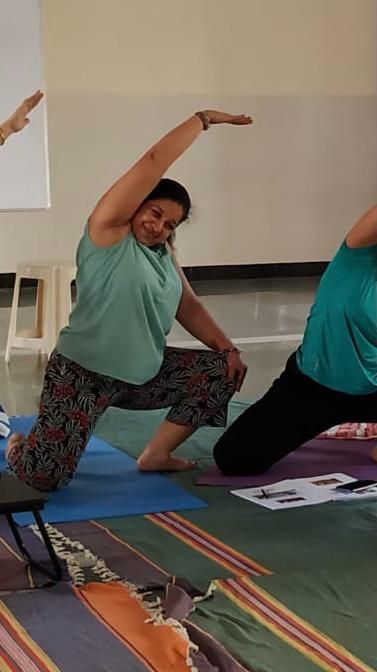
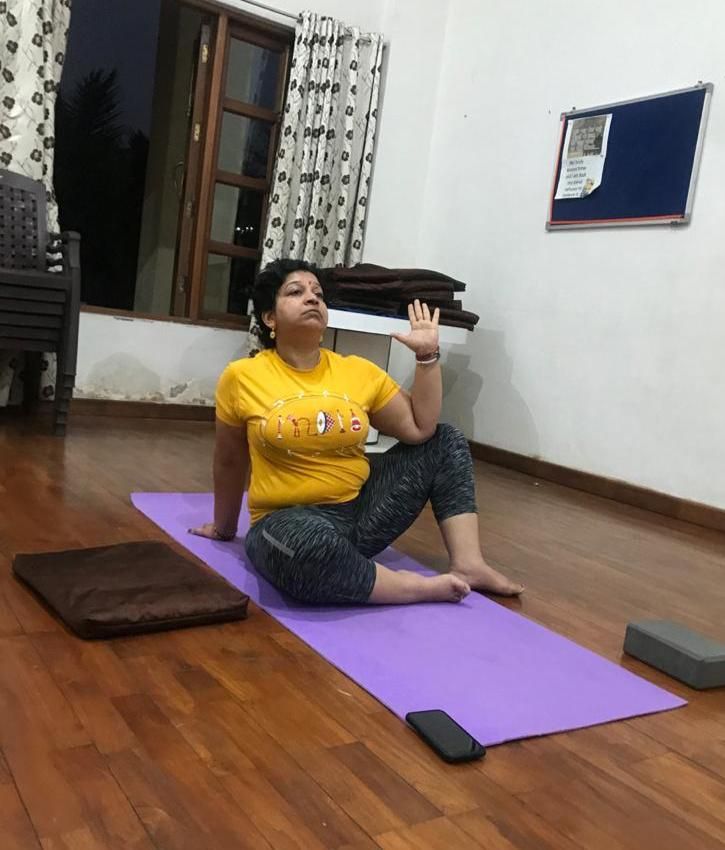
For new mothers interested in beginning a yoga practice after giving birth, we've included some postnatal yoga asanas, few illustrations
Tadasana, which strengthens your abdominal muscles and backbone, and trikonasana, or the tree pose, which stretches your hamstrings and hip flexors, are indispensable for good posture. Back pain can be alleviated with the help
Precautions to Take Before Beginning Postnatal Yoga
- Before beginning postpartum yoga, talk to your doctor.
- Only attempt yoga postures that you can complete with ease.
- Eat healthily and avoid fast food, fried foods, and extreme temperatures.
- Take care of your body, and don't push yourself past what you're capable of.
- Always wait at least two hours after a large meal before practicing yoga asanas.
Classes online